Emergency Preparedness
Confidence to respond when an emergency happens.
Practical emergency preparedness training designed to help people understand what to do, practise their response and build the confidence to take action when it matters.
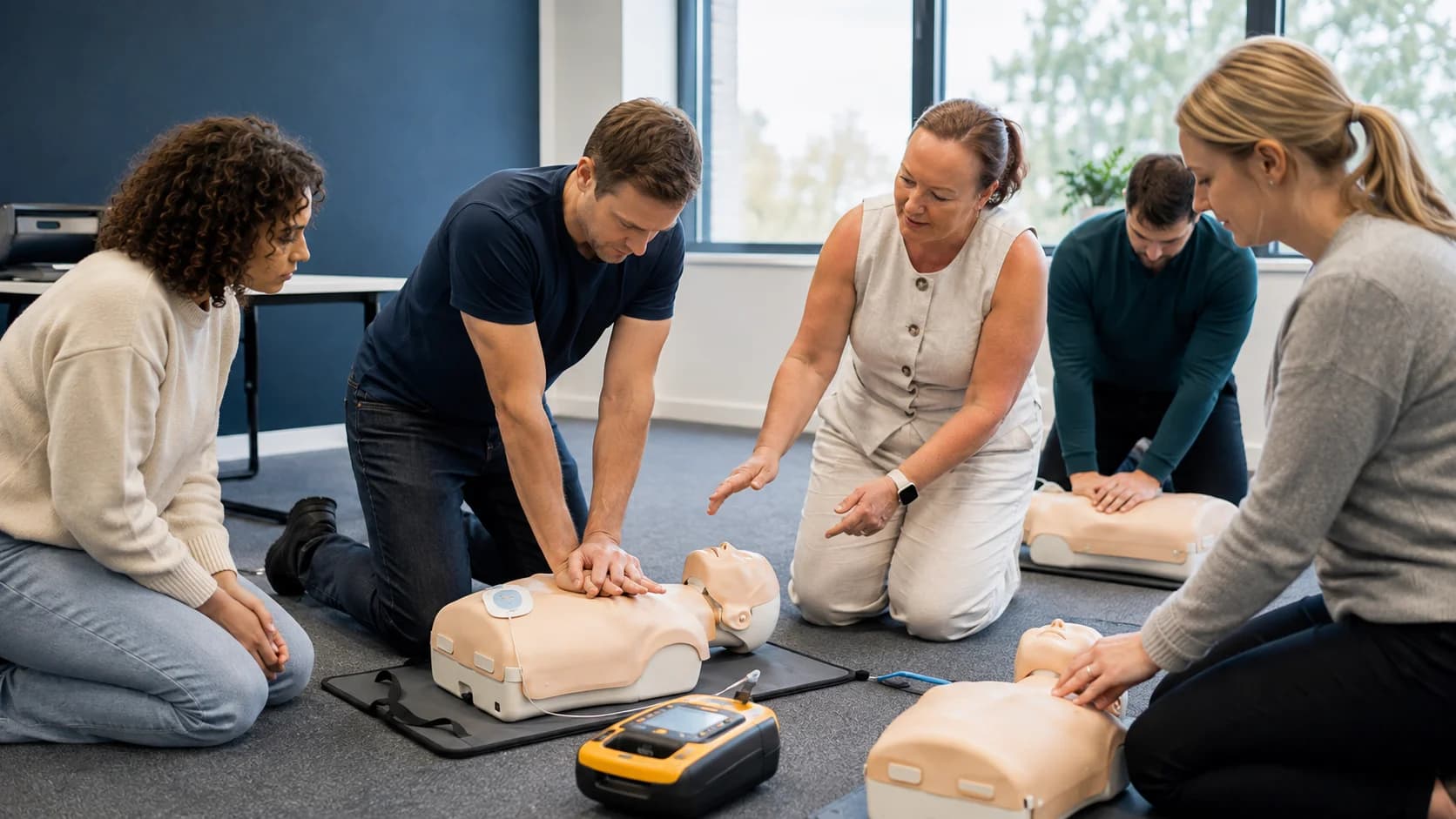
From knowing the steps to having the confidence to take action.
Emergency situations can change quickly.
People need more than information. They need the practical skills, judgement and confidence to respond appropriately when the situation demands it.
Our emergency preparedness training uses practical learning and realistic scenarios to help people develop that confidence.
Practical training for real situations.
Dental Emergency Preparedness
Training designed around the practical emergency situations that may arise within dental practice. Dental practices may treat both adults and children, so emergency preparedness needs to reflect the people they care for.
Basic Life Support (BLS)
Practical training focused on the knowledge and skills required to respond to a life-threatening emergency.
Immediate Life Support (ILS)
Training designed to develop confidence in recognising and responding to deteriorating or critically unwell patients.
Mental Health Immediate Life Support (MHILS)
Practical learning focused on responding appropriately when someone is experiencing a mental health crisis.
Emergency First Aid at Work (EFAW)
Workplace emergency first aid training designed to help people respond confidently when an incident occurs.
AED Training
Practical training that helps people understand how and when to use an automated external defibrillator as part of an emergency response.
Bespoke Emergency Response Training
Training can be shaped around the needs, environment and challenges of your organisation.
Training in action.
A look inside our practical, hands-on sessions.
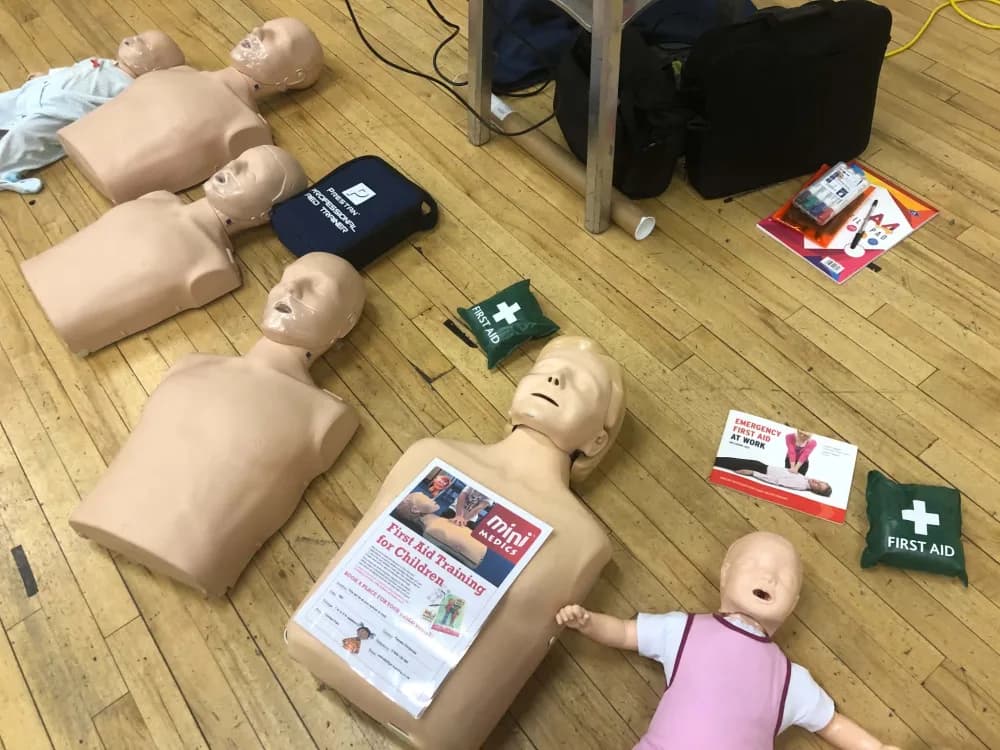
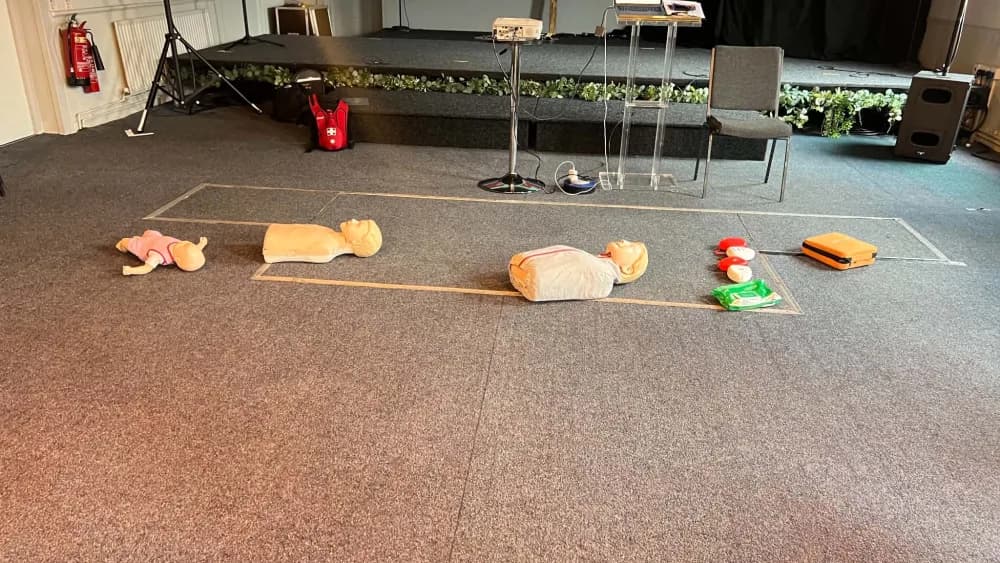
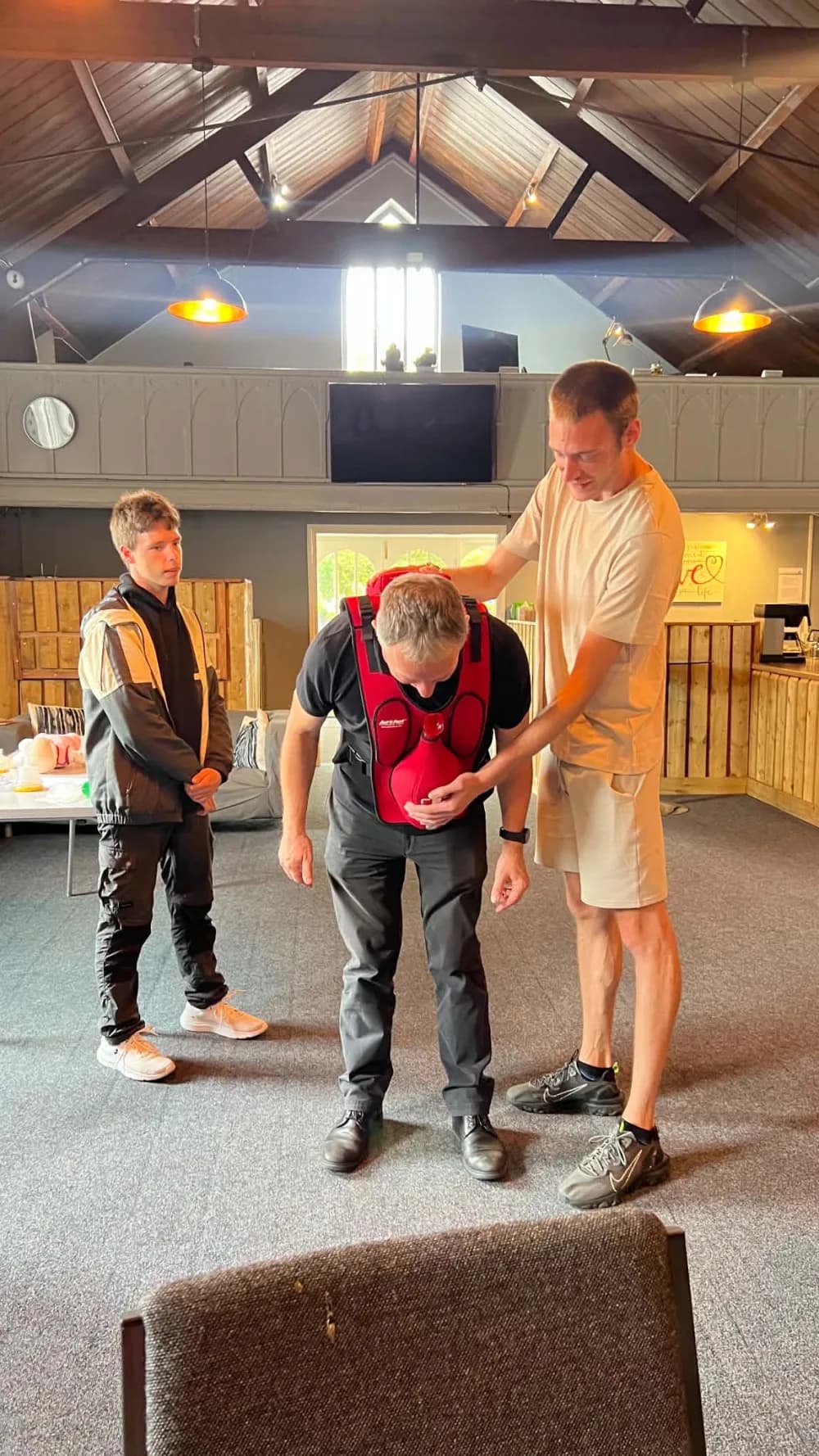
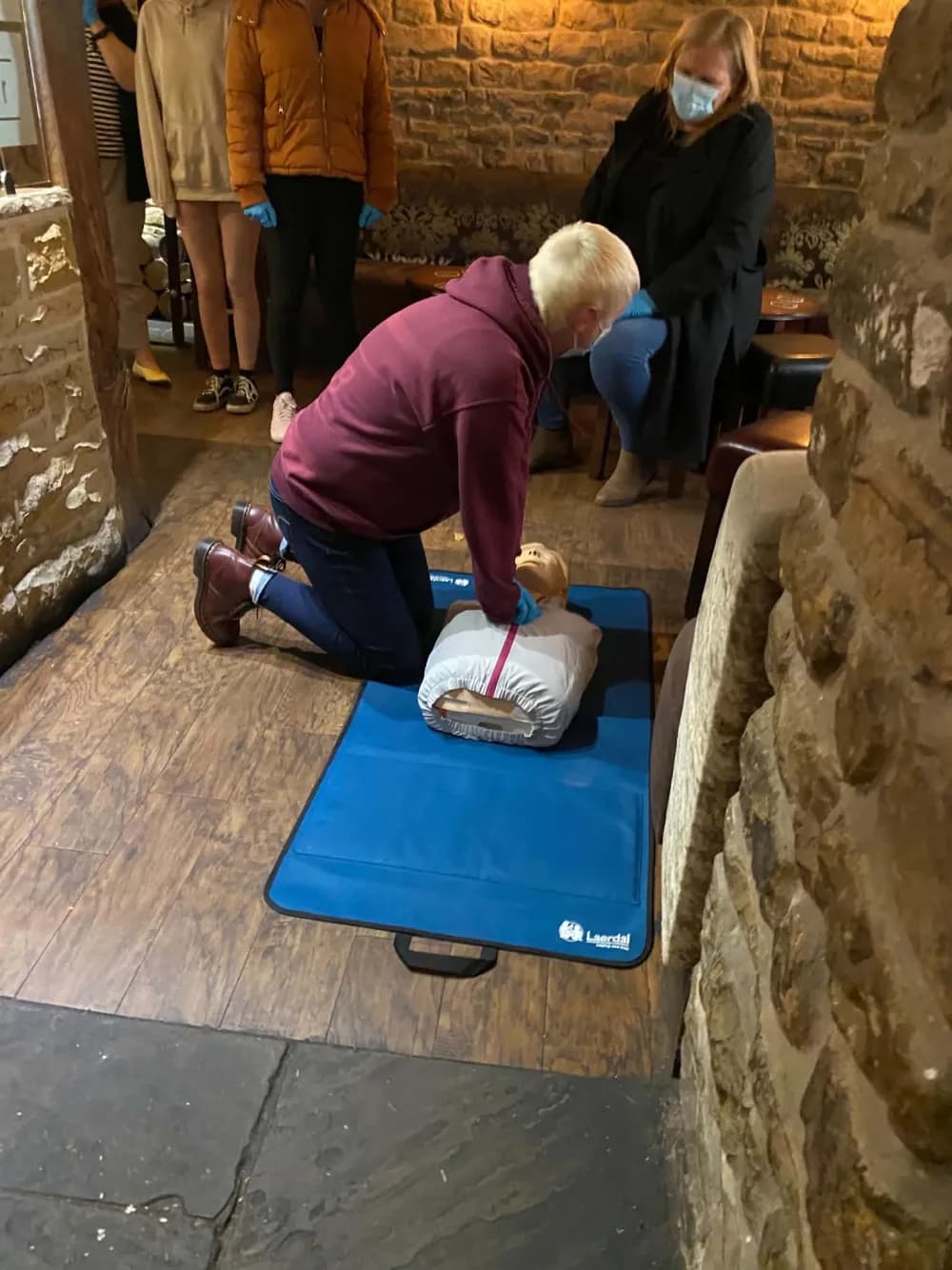
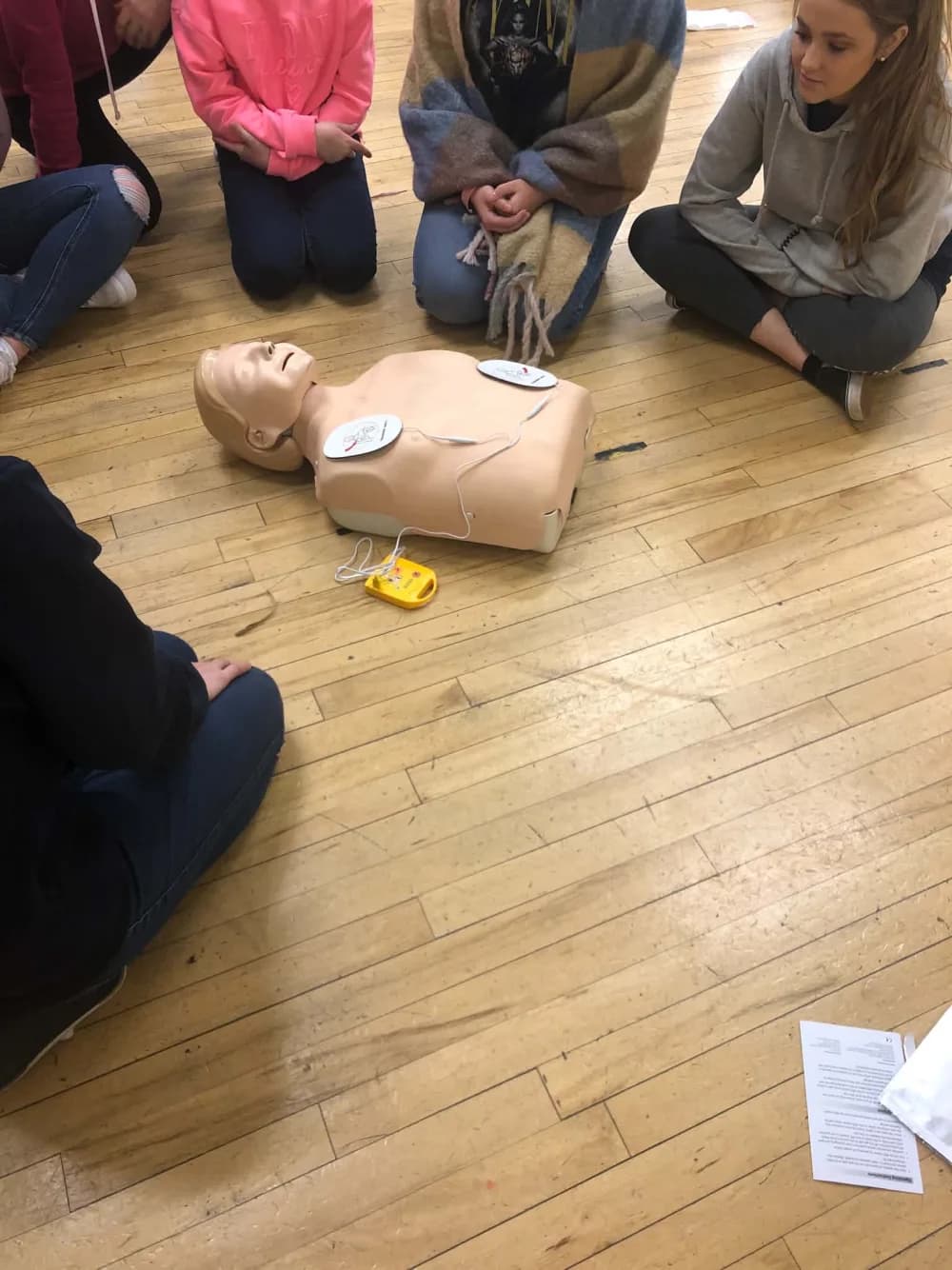
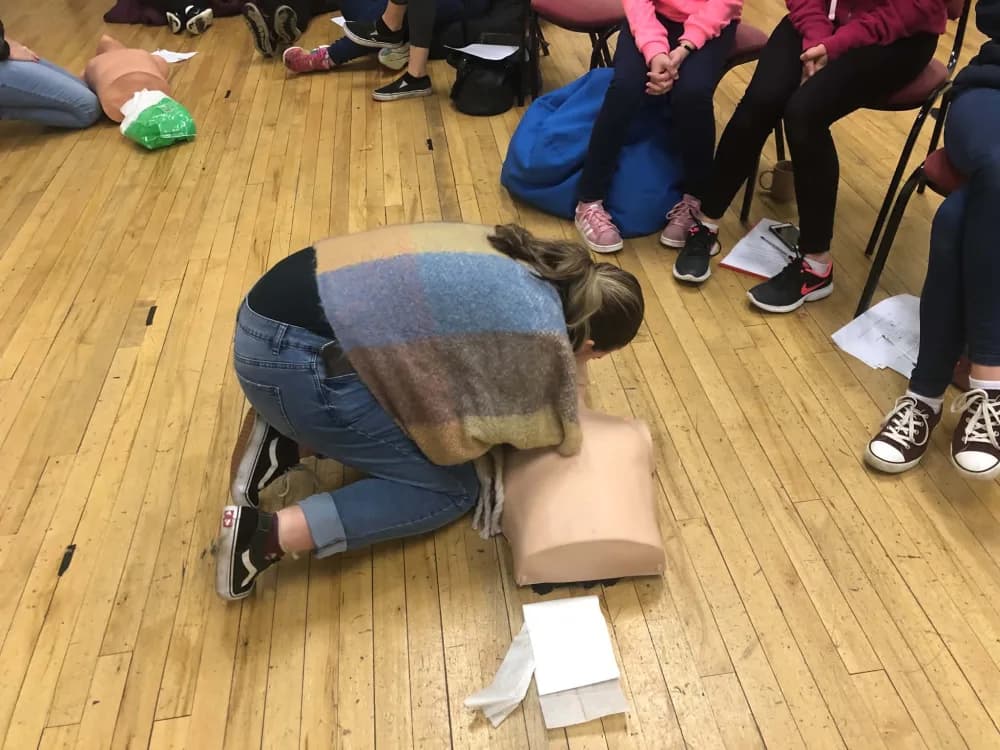
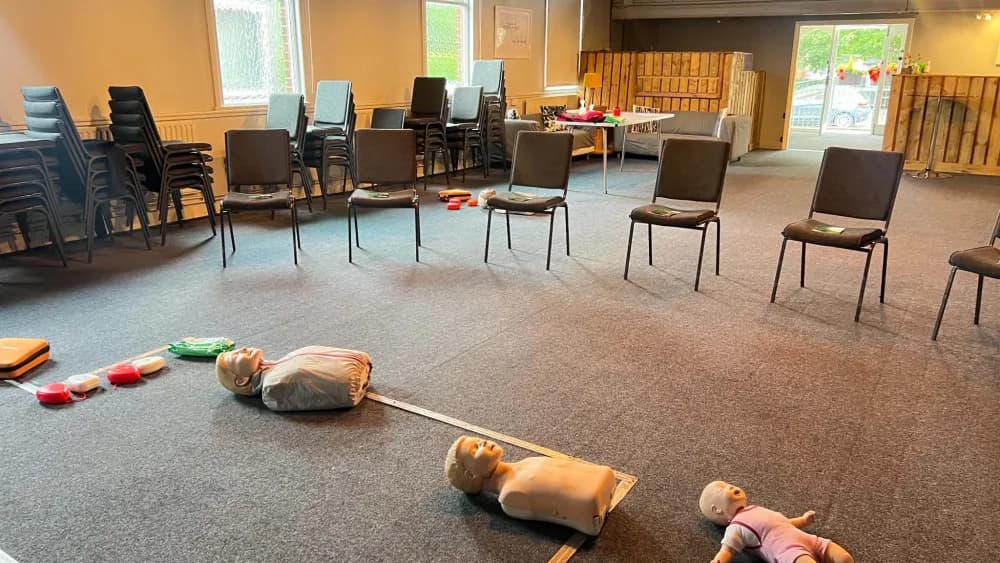
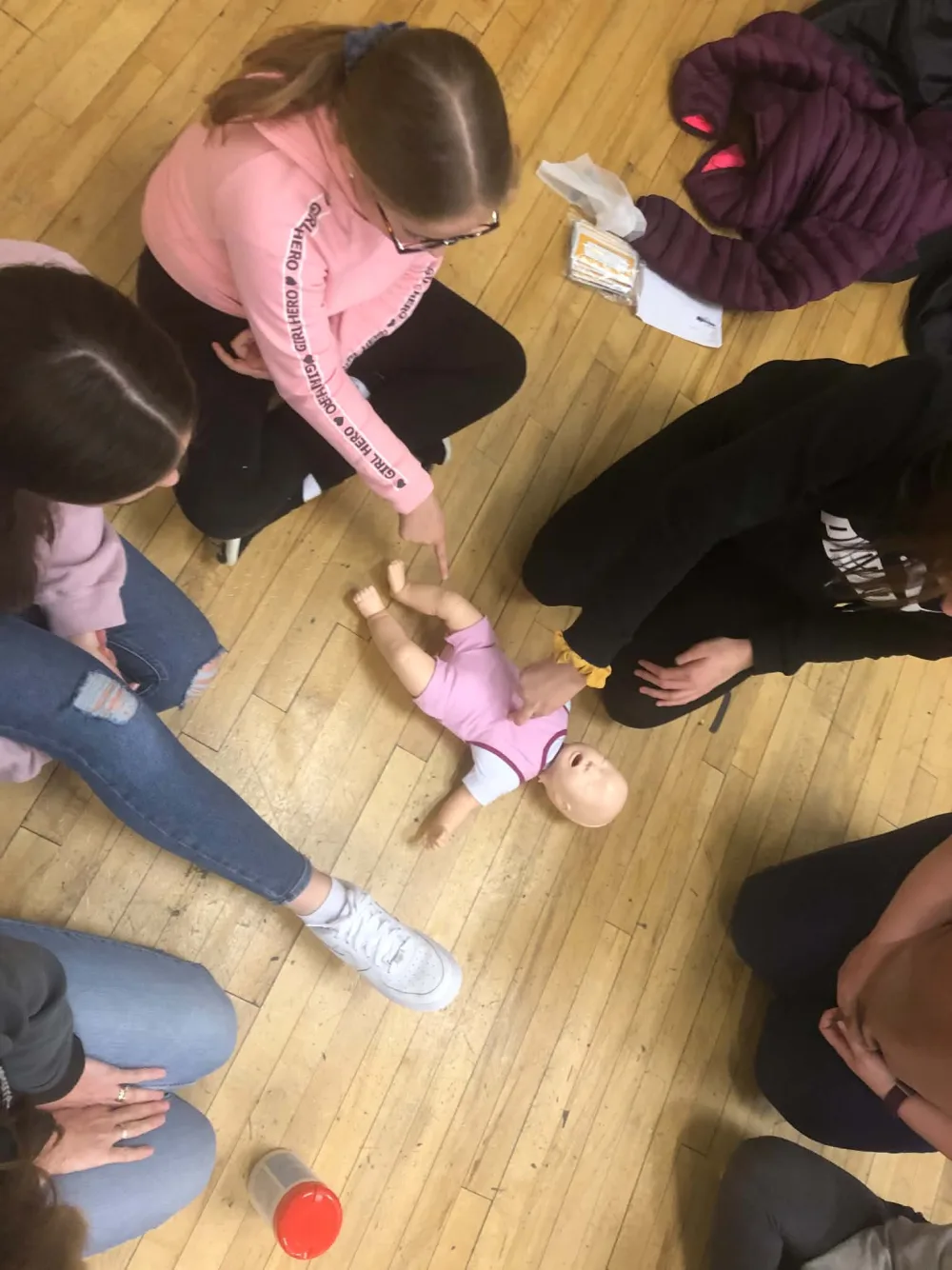
Learn it. Practise it. Build confidence.
Our approach moves beyond simply explaining what to do.
Participants are encouraged to think through realistic situations, practise the skills involved and develop the confidence to respond appropriately.
The aim is learning that can transfer into the workplace.
Anaphylaxis Training
Recognise the signs. Respond with confidence.
Anaphylaxis is a life-threatening allergic reaction that can develop rapidly. In an emergency, knowing what to look for, and feeling confident about what to do, can make a real difference.
Our practical Anaphylaxis Training helps people recognise the signs and symptoms of a severe allergic reaction and understand how to respond appropriately.
Training can include
- Recognising the signs and symptoms of anaphylaxis
- Understanding that anaphylaxis can present differently from person to person
- Distinguishing between an allergic reaction and anaphylaxis
- Understanding when a reaction may be becoming life-threatening
- Knowing when and how to use an adrenaline auto-injector
- Understanding the role of emergency medication
- What to do while waiting for emergency services
- Appropriate positioning and ongoing monitoring
- Understanding individual allergy information and emergency procedures
- Recording and reporting an incident
- Roles, responsibilities and organisational procedures
- Practical, scenario-based learning
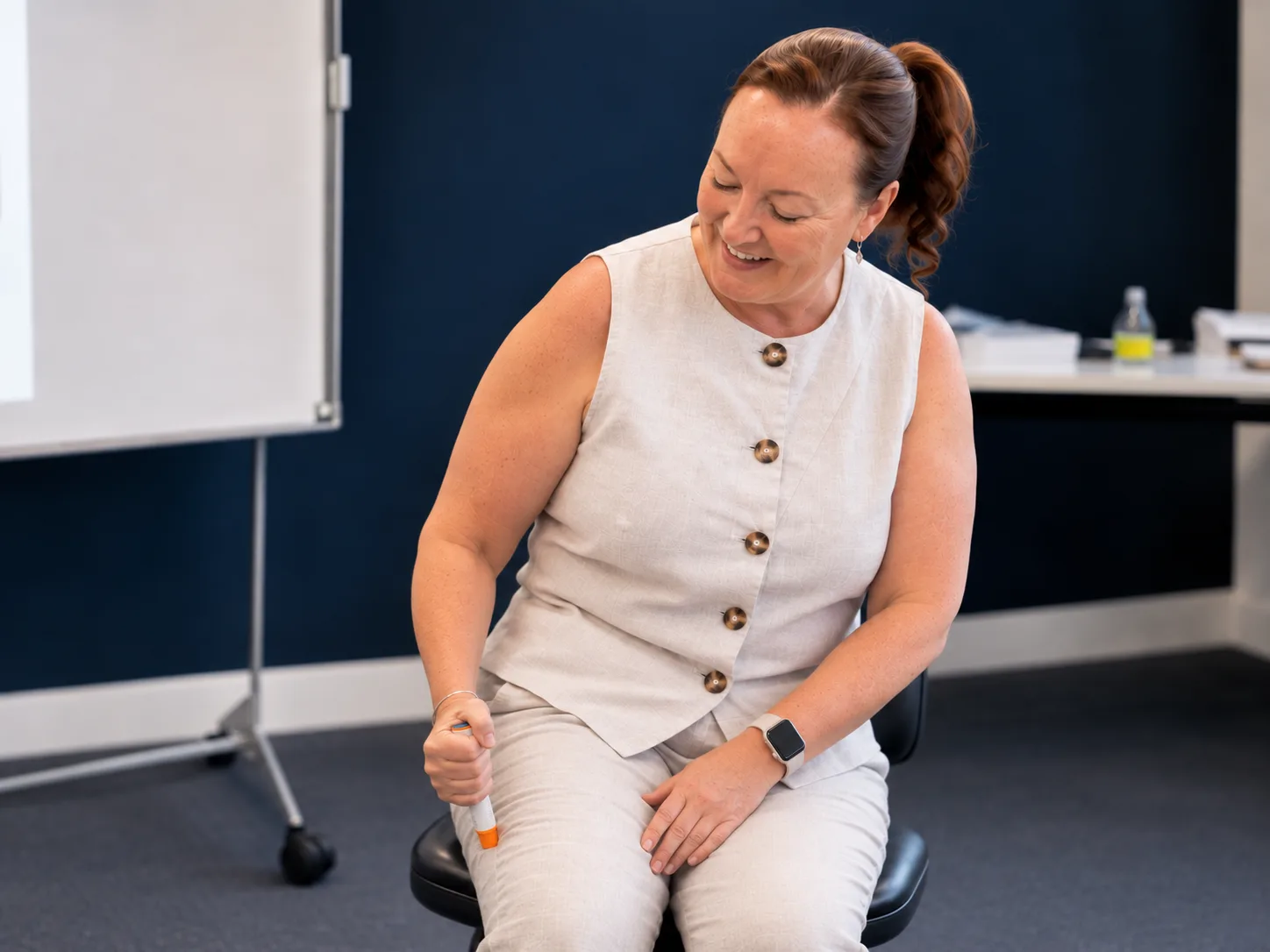
Our approach
Training isn't just about remembering a list of symptoms.
What would you do if it happened in front of you?
Through realistic scenarios and practical activities, participants have the opportunity to recognise changing symptoms, make decisions and talk through their response.
The aim is simple: to give your team the knowledge and confidence to recognise anaphylaxis and know what to do when it matters.
Training can be delivered as a standalone session or incorporated into wider emergency and Basic Life Support training.
Suitable for
- Schools
- Nurseries
- Healthcare
- Care
- Hospitality
- Workplaces
- Community organisations
Does your team know what to do if someone has anaphylaxis? Let's make sure they do.
What does your team need to be ready for?
Tell us about your environment, your people and the situations you want your team to feel more prepared for.